September 5, 2024
Water Damage Restoration | AFC Services Inc.
Water damage in your home or business can be a significant setback, leading to structural issues, potential health risks, and financial burdens. Effective water damage restoration is crucial for mitigating these impacts promptly and efficiently. Here’s an essential guide to understanding water damage restoration, its importance, and how to ensure it’s done properly.
1. Types of Water Damage: Water damage can vary greatly in scope and severity, typically categorized by the source of water:
- Clean Water: Originates from sanitary sources like supply lines, which pose no substantial risk to humans.
- Gray Water: Comes from appliances or clean toilet overflows, containing contaminants that could cause illness.
- Black Water: Highly contaminated water from sources like sewage backups or floodwaters, posing serious health risks.
2. Assessment and Inspection: The first step in water damage restoration is a thorough assessment of the damage. Professionals use advanced tools and techniques, such as moisture detectors and thermal cameras, to identify the extent of water infiltration and the areas affected.
3. Water Extraction: Prompt removal of water is critical to prevent further damage and mold growth. This process involves using powerful pumps and vacuums to remove standing water. The speed of response can significantly influence the restoration outcome.
4. Drying and Dehumidification: After water extraction, drying out the wet areas is crucial. This is achieved through industrial air movers and dehumidifiers, which help prevent swelling and warping of structures and surfaces.
5. Cleaning and Sanitizing: All affected areas and items need to be cleaned, sanitized, and deodorized. This includes carpets, clothing, and ductwork. Antimicrobial and antibacterial treatments are used to eliminate and prevent mold and bacterial growth.
6. Damage Repair and Restoration: The final step involves repairing and restoring the home or business to its pre-damage condition. This could mean minor repairs like replacing drywall and painting or could entail major renovations such as reconstructing entire rooms or areas.
7. Professional Help: Due to the complexities and potential health risks associated with water damage, it’s advisable to engage professional water damage restoration services. Professionals are equipped with the necessary tools, knowledge, and skills to handle various aspects of water damage effectively.
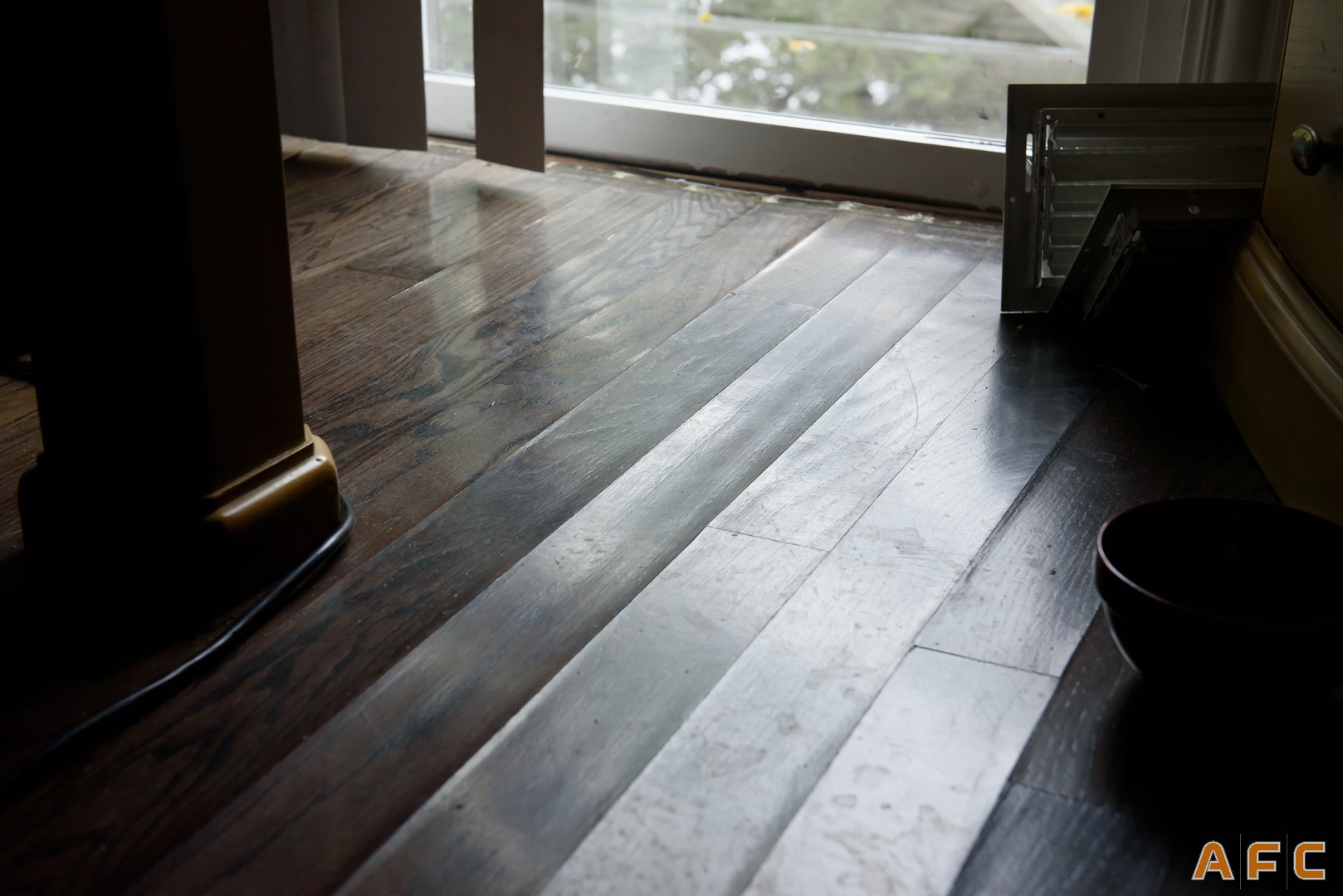
8. Prevention and Maintenance: Regular maintenance of plumbing and HVAC systems can help prevent potential water damage. Additionally, understanding the early signs of water issues, like stains on ceilings or walls, musty smells, or visible mold, can prompt quicker action to mitigate damage.
Conclusion: Water damage restoration is a comprehensive process designed to return your property to a safe, livable condition after water damage occurs. Engaging with experienced and reliable professionals ensures that every step from water removal to restoration is handled with precision and care, safeguarding your property’s value and your health. Understanding the process helps you manage the situation more effectively and ensures quick and appropriate measures are taken to restore normalcy.